
We live in an age of calculated strategies and cultural sovereignty. Observe the global chessboard; it is glaring; the U.S., under a doctrine of “America First,” engages in a tense economic war with China, not with tanks, but with tariffs and supply-chain manoeuvres. China’s response has been a masterclass in strategic patience, focusing relentlessly on its own development goals, including its “Made in China 2025” and the Belt and Road Initiative. The result? Nations, including traditional Western allies, still queue to strike deals in Beijing. The lesson is profound and universal: in a world of giants, your ultimate power lies not merely in reacting, but in building and owning your thing.
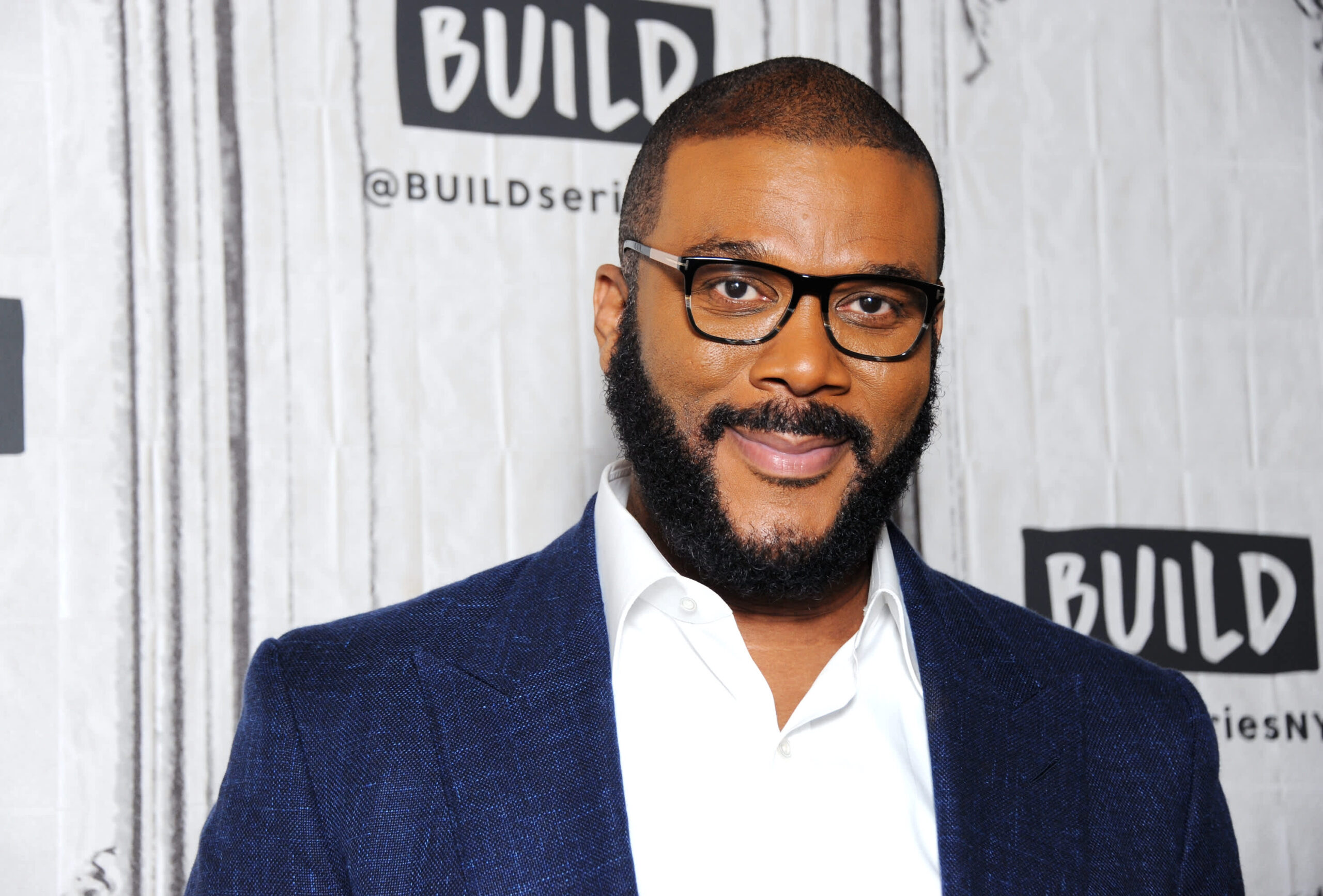
This principle transcends geopolitics. Tyler Perry, recounting his purchase of a former Confederate army base in Atlanta to build his studio, wept as he declared, “Do your own thing.” He transformed a symbol of exclusion into a fortress of Black creative and economic autonomy. His tears were for a history overcome, and his triumph was in ownership.
This brings the question, painfully, home. If this is the currency of power in the 21st century which is obviously cultural and economic self-possession, then why are we in Africa, and Nigeria in particular, perpetually at the bank of other people’s rivers, begging for buckets?
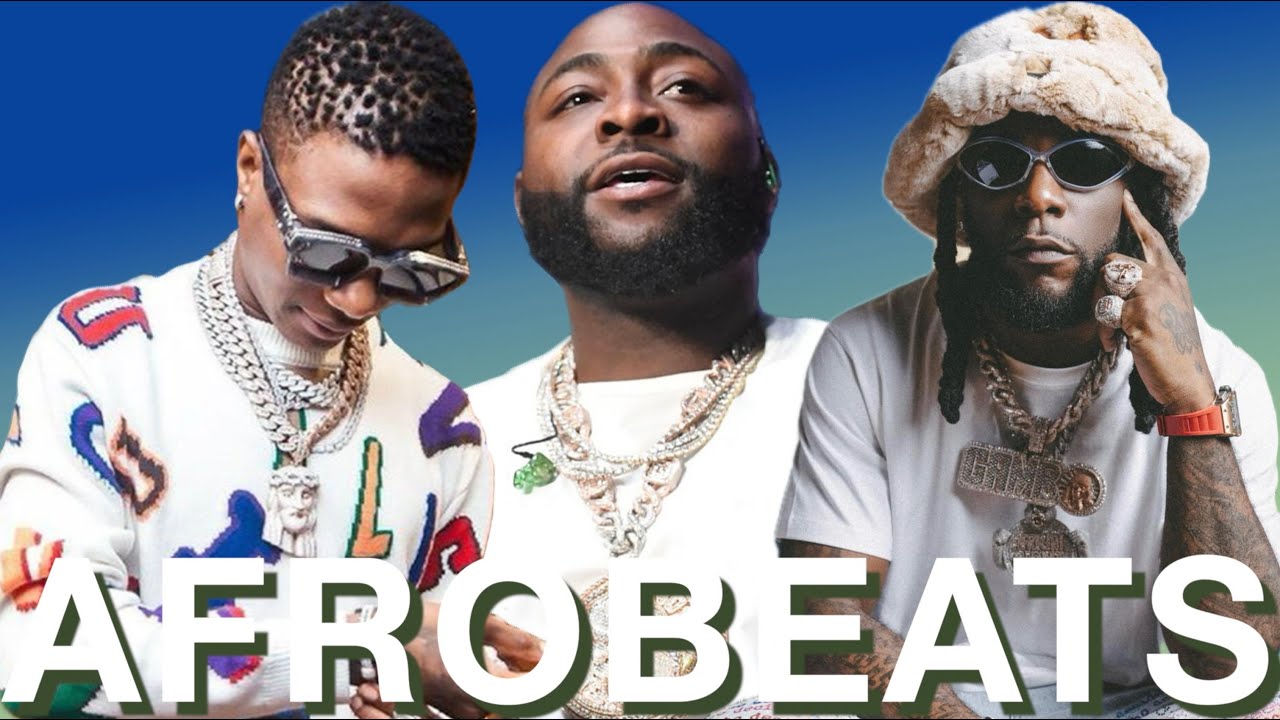
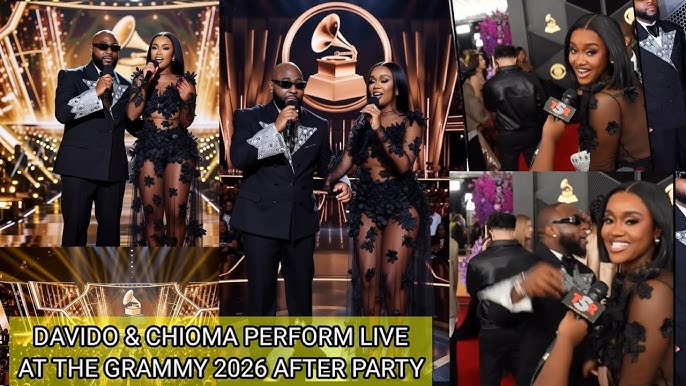
Our dissonance is glaring. Nigerian artists have conquered global airwaves. Burna Boy, Wizkid, and Davido have not just entered the Grammys; they have forced the world to reconfigure its categories for Afrobeats. Yet, this success highlights a deeper failure. We become “big” only when validated by the Grammy institution. Where is our “Grammy”? Where is the Lagos-based, African-owned global awards platform that sets the standard for our own music, funded by our industry, celebrating our artistry on our terms? We produce the content but outsource the validation.
The pattern repeats in film. Nollywood, a testament to our raw entrepreneurial spirit, pioneered a industry from the ground up. Yet, for years, our televisions were dominated by South Africa’s MultiChoice and its Africa Magic channels, which became the primary curators and distributors of our own stories. Our public broadcaster, NTA, with its unparalleled reach, remained a big for nothing platform, missing every opportunity to evolve into a formidable content hub. Now, Netflix has seen the vacuum. It is not just streaming our films; it is increasingly commissioning and dictating the narrative scope of “epic” Nigerian cinema. They own the global platform; we rent space on it.
Look at retail. Shoprite’s exit was celebrated, but its prolonged dominance exposed a stunning failure to build equivalent, home-grown retail ecosystems. Where was our branded, hygienic, nationwide chain? The space was ceded, and our consumer spending fuelled a foreign entity for decades.
The diaspora paints a starker contrast. In the UK, the narrative of immigrant success diverges sharply. While many Nigerians excel as professionals, the visible landscape of small-to-medium business ownership like the post offices, newsagents, petrol stations, franchise restaurants, is overwhelmingly Asian. They have built self-reinforcing ecosystems of capital and ownership.
The question is not about fighting external investment, but about asking, with fierce introspection: Who did this to us? The answer lies in a culture that often prioritises immediate survival over strategic empire-building, and in leadership that has consistently failed to create the enabling environment for ownership to thrive.
Our physical, financial, and intellectual infrastructures are often hostile to the visionary builder. Policy is inconsistent. Power is unreliable. Capital is extractive rather than nurturing. We celebrate the individual “hustle” but fail to build the collective “platform.”
The world’s message is clear: China owns its manufacturing and tech future. Tyler Perry owns his narrative. The Grammys own their standard of music. Netflix owns its distribution empire. They all do their own thing.
Nigeria’s awakening must be to move from being celebrated content to being sovereign owners. It means building our own streaming services with global ambition. It means transforming NTA into a content and innovation powerhouse. It means creating not just artists, but the entire music industry infrastructure, from publishing to royalties to awards, that keeps value onshore. It means funding and protecting our retail and agricultural chains.
The call is not for isolationism, but for strategic sovereignty. We must engage the world, as China does, from a position of built strength, not borrowed space. Our greatness will not be confirmed by how well we fit into other people’s systems, but by the irresistible gravity of systems we build for ourselves.
The world is not waiting for us. It is simply moving on. The time to own our thing, to build, fund, control, and scale it, is not tomorrow. It was yesterday. Our continued hesitation is the only thing truly being owned.
